
Split Leather vs Suede: Difference, Uses & Care Guide
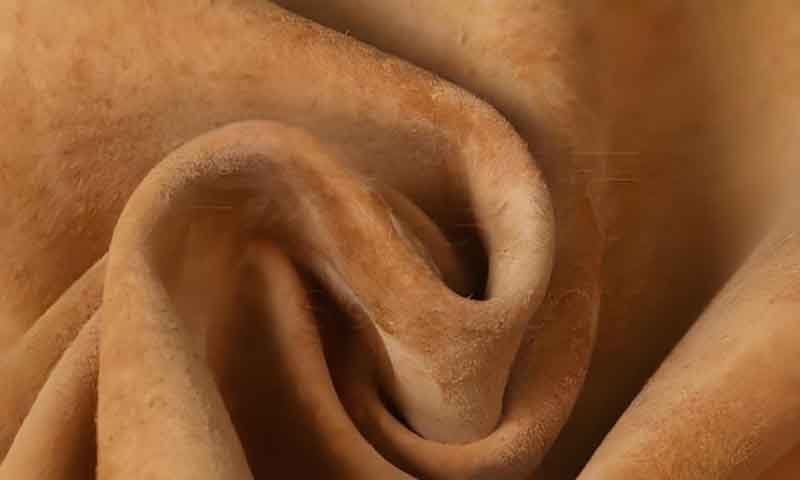
Leather has long been prized for its durability, texture, and luxury appeal—but not all leather is created equal. Two of the most common, yet often misunderstood, varieties are split leather and suede. While both originate from the same animal hide, their distinct manufacturing processes and surface finishes yield materials with very different performance characteristics and aesthetic qualities. Whether you’re designing wallets, bags, belts, or upholstery, choosing the right leather type can make or break your product’s appeal, longevity, and cost-effectiveness.
Split leather is the lower layer of a hide that’s buffed to reveal a suede-like nap, while suede is typically made from the underside of the hide with a soft, fuzzy surface finish.
From the factory floor in Guangzhou to high-end boutiques in Milan, the debate between split leather and suede continues. But beyond mere terminology, understanding each material’s origin, processing, advantages, and drawbacks is essential for sourcing the perfect leather for your custom products. Ready to dig in? Let’s explore the nuances that define split leather and suede—and help you decide which material deserves a spot in your next collection.
What Are Split Leather and Suede?
Split leather comes from the fibrous underside of a full hide and is buffed to create a uniform surface, whereas suede is created by sanding or buffing the inner split of the hide to produce a soft, velvety nap.
Leather hides consist of multiple layers: the tough, grain-rich top layer (full-grain), followed by one or more split layers beneath. Understanding how split leather and suede derive from these layers—and why they differ so markedly—starts with dissecting the hide itself.
Hide Structure and Layering
- Full-Grain Layer: The outermost layer containing natural grain and imperfections; prized for strength and authenticity.
- Split Layers: The remaining fibrous portion after the top grain is removed. Hides are typically split into “top splits” (closest to the grain) and “bottom splits” (closer to the flesh side).
- Suede Source: Genuine suede traditionally originates from the bottom split, where sanding creates a soft, fuzzy nap.
Split Leather Definition
- Buffed Surface: Split leather often refers to any split layer that is buffed or sanded flat, removing the natural grain to produce a uniform, matte finish.
- Surface Treatment: After splitting, these layers may be pigmented and embossed to mimic grain patterns, creating “corrected split leather” or “bonded leather” when fibers are reconstituted.
- Versatility: Buffed splits offer a blank canvas for finishes—embossing, printing, or coating—making them cost-effective for larger-volume goods.
Suede Characteristics
- Nap Formation: Suede results when the flesh side of the hide is brushed or buffed to lift fibers, creating a plush, velvety texture.
- Softness and Hand: This nap gives suede its signature softness and slight nap–direction color shifts, prized for luxury accessories and apparel.
- Delicacy: The exposed fibers make suede more susceptible to staining and wear, demanding specialized care.
Terminology Variations
- Corrected Grain vs Suede: Corrected-grain split leather (pigmented, embossed) should not be confused with suede’s fuzzy nap.
- Split Suede: Some manufacturers produce suede-like finishes on split leather, blending manufacturing techniques.
Visual & Tactile Differences
- Split Leather: Smooth or embossed surface, uniform color, minimal texture.
- Suede: Visible nap, directional softness, slight variation in shade when touched.
Cost Implications
- Suede Premium: Genuine suede often commands higher prices due to specialized finishing and lower yield per hide.
- Split Affordability: Buffed split leather offers economical bulk supply, ideal for mid-range to budget-friendly products.
Understanding these foundational differences guides material selection, ensuring your custom leather goods hit the sweet spot between cost, aesthetics, and performance.
How Are Split Leather and Suede Manufactured?
Split leather is produced by slicing the hide beneath the grain layer and buffing it flat, while suede is created by sanding the flesh side of the hide to raise a fine nap—each requiring distinct splitting, buffing, and finishing techniques.
The journey from raw hide to refined leather involves precision splitting, surface preparation, and finishing stages. Let’s examine each step in the split leather and suede production processes.
Raw Hide Selection & Preparation
- Hide Grading: Hides are first inspected for size, thickness, and defects. Premium hides (Grade A full-grain) yield both top grain and high-quality splits; lower grades may go directly to split leather production.
- Wet Blue Stage: Hides are tanned with chromium salts (wet blue) to stabilize the collagen structure, imparting durability and mildew resistance.
Splitting Process
- Splitting Machine: Hides pass through a leather splitting machine that slices vertically into layers. Operators adjust blades to target the thickness of top and bottom splits.
- Thickness Control: Precision is critical—splits can range from 0.4 mm (fine suede) up to 1.4 mm (heavy-duty split leather).
Buffing and Surface Creation
- Split Leather Buffing:
- Surface is sanded with coarse abrasives to remove uneven fibers and remnants of the flesh side.
- Multiple passes with finer abrasives yield a smooth, uniform surface ready for pigmentation.
- Suede Nap Raising:
- Flesh side is sandblasted or buffed with specialized brushes that lift fibers to a uniform nap.
- Nap height is controlled by abrasiveness and machine pressure—short nap (~0.5 mm) for fine suede or longer for plush effects.
Pigmentation and Coating
- Split Leather Finishing:
- Application of pigmented top coats—dyes or opaque paints—ensures uniform color and hides buffing marks.
- Optional embossing rolls imprint grain patterns (e.g., pebble, croc) under heat and pressure.
- Protective clear coats add stain resistance and sheen control (matte, semi–gloss, high–gloss).
- Suede Finishing:
- Suede may receive light aniline dyes to preserve softness and natural shading of the nap.
- Waterproofing sprays or leather protectants add resistance without flattening the nap.
Quality Control & Grading
- Split Leather Inspection: Manufacturers assess color uniformity, surface smoothness, thickness consistency, and coating adhesion.
- Suede Grading: Nap uniformity, absence of bald spots, hand feel, and dye penetration are evaluated. Premium suede grades (e.g., “buttery” calf suede) command top prices.
Environmental Considerations
- Waste Management: Split leather production yields less waste than top-grain processing, but buffing dust and wastewater require treatment systems.
- Eco-Friendly Tanning: Some tanneries adopt vegetable tanning or low-chrome methods—affecting both split leather and suede sustainability profiles.
Manufacturing Comparison
| Step | Split Leather | Suede |
|---|---|---|
| Base Layer | Bottom split (fibrous underside) | Bottom split (flesh side) |
| Surface Prep | Coarse → fine buffing | Sanding/buffing for nap raising |
| Pigmentation | Opaque pigments + embossing options | Light aniline dyes |
| Protective Coating | Clear top coats (stain resistance) | Spray-on protectants (non–flattening) |
| Quality Checks | Smoothness, color uniformity | Nap uniformity, hand feel, dye penetration |
| Environmental Impact | Buffing dust, chemical effluents | Similar, with emphasis on nap-processing waste |
These manufacturing nuances shape each material’s final properties—guiding decisions about which leather type best aligns with product requirements and brand positioning.
Which Characteristics Differentiate Split Leather from Suede?
Split leather offers durability, uniformity, and cost‑effectiveness, while suede delivers softness, luxurious nap, and higher maintenance—making suede a premium choice but sometimes impractical for heavy‑use items.
Assessing split leather versus suede requires examining multiple dimensions: strength, appearance, cost, perceived luxury, and inherent drawbacks. Here’s a critical comparison:
Durability & Strength
Split Leather:
- Tensile strength often exceeds 20 MPa after buffing and coating.
- Clear topcoats and embossed finishes resist scratching and scuffing.
- Ideal for high‑wear applications—straps, belt loops, and large‑format bags.
Suede:
- Softer nap exposes fibers, making it prone to abrasion and matting.
- May show wear creases quickly in high‑friction zones.
- Best reserved for low‑stress areas—flaps, trim, interior linings.
Texture & Appearance
Split Leather:
- Matte, uniform surface; embossing can emulate natural grain.
- Consistent coloration—pigmentation masks hide imperfections.
- Modern finishes include metallic or pearlescent pigments.
Suede:
- Velvet‑like surface with directional shading.
- Rich, depth‑varying hues—mood shifts as light plays on the nap.
- Luxurious tactile experience valued in high‑end fashion.
Cost Comparison
Average Price per Square Foot (USD):
| Material | Low Grade | Mid Grade | Premium Grade |
|---|---|---|---|
| Split Leather | $1.50 | $2.50 | $4.00 |
| Suede | $3.00 | $5.00 | $8.00 |
Premium suede can cost 2×–3× more than split leather, impacting product pricing and margins.
Is Suede Considered a Luxury Material?
- Suede’s soft hand and visual depth align it with luxury goods—designer shoes, handbags, and apparel.
- Many high‑end brands (Hermès, Gucci) use calf suede exclusively, reinforcing its prestige.
- Split leather, even when embossed, rarely commands the same status—though high‑quality corrected-grain splits can approach mid‑luxury positioning.
What Are the Disadvantages of Suede?
- Maintenance Intensive: Requires specialized brushes, protective sprays, and frequent re‑fluffing to maintain nap.
- Water Sensitivity: Prone to staining and water rings; even light drizzle can cause spotting.
- Low Abrasion Resistance: Nap fibers shear under friction—leading to bald patches on high‑contact areas.
- Allergen Concerns: Brushed fibers can release dust, irritating sensitive users.
Choosing Based on Use Case
- Heavy‑Use Products (Luggage, Boot Soles): Lean toward coated split leather for longevity and ease of cleaning.
- High‑End Accessories (Evening Clutches, Luxury Footwear): Suede’s aesthetic allure and tactile richness justify extra care.
- Mid‑Range Goods (Belts, Wallets): Corrected split leather balances cost and style—available in multiple finishes and colors.
What Are the Common Applications for Split Leather and Suede?
Split leather excels in high‑wear goods like straps, upholstery, and mass‑market accessories, while suede’s soft nap best suits luxury items, trim, and low‑stress fashion pieces.
Selecting the ideal application for split leather versus suede maximizes both material strengths and end‑user satisfaction. Below is a closer look at how each material shines in specific product categories:
Bags, Wallets & Belts
Split Leather:
- Tote Bags & Backpacks: Reinforced base panels and handles made from coated split withstand daily loading and abrasion.
- Wallets & Cardholders: Corrected split leather with printed grain offers consistent color lines and easy embossing—ideal for brand logos.
- Belts: Split straps clad in pigmented coatings resist stretching and cracking—perfect for workwear and uniform applications.
Suede:
- Clutch Bags & Evening Pouches: Soft, sensuous texture elevates evening wear; minimal hardware preserves nap.
- Belt Trims & Accents: Suede inlay strips add tactile contrast but are typically backed by split leather for structure.
Upholstery & Interior Design
Split Leather:
- Office Chairs & Car Seats: Durable coatings resist spills and scuffs; embossing mimics full grain at lower cost.
- Wall Panels & Headboards: Uniform finish ensures clean installation with minimal variation.
Suede (Microfiber Variants):
- High‑End Lounges & Retail Spaces: Suede upholstery delivers luxury ambiance but requires strict cleaning protocols.
- Decorative Pillows & Throws: Detachable covers allow for regular cleaning—maintaining nap integrity.
Footwear
Split Leather:
- Work Boots & Casual Shoes: Water‑resistant top coats and heavy loin leather splits handle abrasive environments.
- Mass‑Market Sneakers: Embossed splits deliver diverse colorways at economical prices.
Suede:
- Designer Loafers & Ankle Boots: Nap-rich uppers lend a sophisticated edge; sole‑backing ensures shape retention.
- Sandals & Slides: Suede straps provide comfort but require occasional brushing to avoid matting.
Accessories & Small Goods
Split Leather:
- Key Fobs, Watch Straps, Tech Cases: Precision-cut splits allow tight tolerances and dye consistency.
- Pet Collars & Leashes: Pigmented splits withstand outdoor use and animal wear.
Suede:
- Watch Bands & Jewelry Pouches: Soft feel complements delicate items; limited to infrequent use pieces.
Specialty Applications
- Sporting Goods: Split leather’s tear strength supports equestrian saddles, baseball gloves, and protective gear.
- Automotive Trim: Coated split leather resists UV fade in dashboards and door panels.
- Custom OEM Products: Both materials can be laser‑cut and heat‑stamped for unique branding—suede adds high‑end flair, splits deliver volume consistency.
Application Matrix
| Application Category | Split Leather Strengths | Suede Strengths |
|---|---|---|
| Bags & Luggage | Durability, water resistance, embossing | Luxurious finish, sensory appeal |
| Upholstery | Uniform finish, easy cleaning | Premium ambiance, soft hand |
| Footwear | High abrasion resistance | High-end style, supple texture |
| Small Accessories | Precision cutting, dye consistency | Decorative accents, gift-worthy |
| Specialty OEM | Structural support, cost-effectiveness | Luxury brand positioning |
How Do You Care for and Maintain Split Leather vs Suede Products?
Split leather requires regular wiping, conditioning, and protective coating re‑application, while suede needs gentle brushing, specialized cleaners, and frequent waterproofing to maintain its nap and prevent staining.
Proper leather care preserves aesthetics, extends lifespan, and protects your investment. Here’s a comprehensive maintenance guide for split leather and suede:
Daily Care & Environment
Split Leather:
- Wipe spills immediately with a soft, dry cloth to prevent staining.
- Store in a cool, dry place away from direct sunlight to avoid pigment fading and cracking.
Suede:
- Use a microfiber cloth or suede brush to gently remove surface dust after each use.
- Avoid exposure to rain or moisture; keep in protective dust bags when not worn.
Cleaning Routine
Split Leather:
- Monthly: Wipe with a damp cloth and mild leather cleaner. Avoid soaking—excess water breaks down protective coatings.
- Quarterly: Apply a leather conditioner formulated for pigmented finishes to restore flexibility and prevent dryness.
Suede:
- Weekly: Brush nap with a suede brush in one direction to lift fibers.
- Spot Clean: Use a suede eraser or pencil eraser to remove small stains; follow with a specialized suede cleaner diluted per instructions.
Deep Conditioning & Protection
Split Leather:
- Biannual: Apply a thin layer of neutral or matching-color leather cream, buffing off excess for a smooth finish.
- Waterproofing: Re-apply a silicone-based water repellent on exposed seams and edges to maintain water resistance.
Suede:
- Seasonal: Spritz a water- and stain-repellent suede protector evenly, allow to dry fully before use.
- Nap Restoration: After cleaning, hold item over steam for a few seconds (without direct contact), then brush to reinvigorate the nap.
Handling Stains and Water Damage
Split Leather:
- Oil Stains: Blot with cornstarch or talcum powder overnight, then brush off before wiping with leather cleaner.
- Water Rings: Even out color with a damp cloth; condition afterward to prevent ring outlines.
Suede:
- Water Spots: Blot excess moisture immediately. Once dry, gently buff with a suede brush.
- Tough Stains: Use a white vinegar solution (1:1 with water), dab lightly, then brush when dry.
Storage Best Practices
Split Leather:
- Use breathable dust bags; avoid plastic covers that trap humidity.
- Stuff bags or wallets with acid-free paper to maintain shape.
Suede:
- Store in a cool, ventilated area; excessive humidity leads to mold.
- Place cedar blocks or silica packets in storage area to absorb moisture and deter pests.
Repair and Professional Care
Split Leather:
- Minor Scratches: Buff with matching leather polish.
- Major Damage: Seek professional re-coloring or patching services.
Suede:
- Nap Balding: Professionals can re-nap and re-dye larger areas.
- Deep Stains: Leather specialists use steam and specialized extractors for safe removal.
By adhering to these care regimens—tailored to each material’s unique properties—you ensure that split leather and suede products remain attractive, functional, and long-lasting, reinforcing your brand’s commitment to quality.
Ready to Elevate Your Leather Goods?
Whether you opt for the durable versatility of split leather or the sumptuous appeal of genuine suede, Szoneier Leather has the expertise and capacity to bring your custom designs to life. With 18 years of experience in raw material R&D, precision manufacturing, and quality control, we deliver tailored solutions—from embossed split leather panels to plush suede finishes—complete with private‑label branding and low‑MOQ flexibility.
Contact us today to discuss your next custom leather project. Let’s create products that combine beauty, performance, and lasting value—crafted by the experts at Szoneier.
What Can I Do For You?
Here, developing your OEM/ODM private label leather goods collection is no longer a challenge,it’s an excellent opportunity to bring your creative vision to life.
Make A Sample First?
If you have your own tech packs, logo design artwork, or just an idea,please provide details about your project requirements, including preferred fabric, color, and customization options,we’re excited to assist you in bringing your leather goods designs to life through our sample production process.