 Skip to content
What Is Buffalo Leather:Origins, Types, Care & Applications
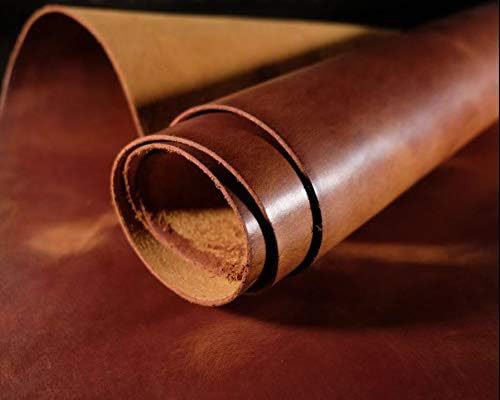
Buffalo leather has surged in popularity among designers and manufacturers alike, prized for its rugged texture, impressive strength, and distinctive character. From handcrafted belts to upscale furniture, buffalo hide brings both durability and an eye-catching grain that ages gracefully over time. Whether you’re a brand owner seeking a reliable material or a B2B buyer comparing leather grades, understanding the fundamentals of buffalo leather—including its sourcing, processing, and unique attributes—is essential to making informed decisions.
Buffalo leather is genuine leather derived from the hide of water buffalo. It’s tanned using vegetable or chrome methods to deliver a thick, durable hide with a pronounced grain. Renowned for high tear resistance and a pull-up effect that develops a rich patina, buffalo leather is ideal for heavy-use goods like belts, bags, and upholstery.
In a world flooded with synthetic substitutes and mass-produced cowhide, buffalo leather stands apart. Its story begins on water buffalo farms in Asia and South America, where sustainable ranching practices yield hides with a natural toughness. But beyond the facts, imagine a craftsman in Italy pulling a strip of freshly tanned buffalo hide—watch as the color shifts and light pulls out highlights, hinting at the patina to come. Let’s dive deeper into the journey of buffalo leather from ranch to showroom, and discover why Szoneier Leather champions it for custom, high-end products.
What Is Buffalo Leather and Where Does It Come From?
Buffalo leather is authentic leather sourced from water buffalo hides, primarily raised in India, Pakistan, China, and parts of South America. Farmers harvest the skins as a by-product of meat production, ensuring sustainability. The unique environmental conditions and animal diet contribute to a tight, pronounced grain and robust fiber structure, making buffalo leather distinct from other hides.
Water buffalo (Bubalus bubalis) have been domesticated for thousands of years, valued for their strength and adaptability to humid climates. Their hides are thicker—often 1.4–2.2 mm—than typical cowhides (1.0–1.4 mm), giving buffalo leather superior resistance to tears and punctures. Major producers include:
| Region | Annual Hide Output | Primary Use |
|---|---|---|
| India & Pakistan | ~2 million hides | Domestic goods, upholstery, export tanning |
| China | ~1.2 million hides | Footwear, industrial belts |
| Brazil | ~800,000 hides | Leather goods, export markets |
Because buffalo are often pasture-raised, their hides bear natural scars and grain variations, celebrated in high-end goods for authenticity. Sustainability is a key advantage: since hides are by-products of the meat industry, no animals are raised solely for their skins. Furthermore, many tanneries in Asia have adopted ISO and EU environmental standards, reducing chemical runoff and ensuring ethical processing.
In recent years, Italian tanneries have imported buffalo hides for premium lines, applying vegetable tanning techniques that highlight the leather’s pull-up effect—where coloring temporarily shifts under stress, revealing lighter hues. This contrast creates a dynamic appearance, ensuring each product feels unique. As global demand rises, reputable suppliers like Szoneier source from certified ranchers, conducting strict quality inspections to guarantee consistent thickness, minimal defects, and rich, even dye absorption.
How Is Buffalo Leather Made?
Buffalo leather is produced through either chrome or vegetable tanning. Chrome tanning—fast and cost-effective—yields supple, water-resistant hides. Vegetable tanning—slower and eco-friendly—accentuates the leather’s natural pull-up and patina potential. Both methods involve hide preparation (soaking, liming), tanning, dyeing, fatliquoring, and finishing (buffing, embossing, or top-coating).
Hide Preparation:
- Soaking & Washing: Rehydrates salted hides, removes contaminants.
- Liming & Fleshing: Uses lime and sodium sulfide to remove hair and residual flesh, revealing the grain.
- Deliming & Bating: Lowers pH and softens protein fibers with enzymes, preparing hides for tanning.
Tanning Methods:
- Chrome Tanning:
- Involves cobalt or basic chromium sulfate.
- Short cycle (6–8 hours), producing moisture-stable, soft, and stretch-resistant leather.
- Yields consistent color uptake—ideal for uniform dyeing in mass production.
- Vegetable Tanning:
- Uses natural tannins from tree bark (mimosa, chestnut).
- Extended process (4–6 weeks), resulting in firm, structured hides.
- Natural vegetable-tanned leather develops a warm patina over time and exhibits a pronounced pull-up effect.
Dyeing & Fatliquoring:
- Dyeing: Either drum-dyed (immersion) for even color or spray-dyed for surface shades.
- Fatliquoring: Introduces oils and waxes to lubricate fibers, ensuring flexibility and water resistance.
Finishing:
- Buffing & Embossing: Smooths the surface or adds grain patterns.
- Top-Coating: Applies protective layers for colorfastness, often polymer-based.
- Polishing or Waxing: Enhances sheen and tactile feel; common in high-end buffalo leather goods.
Quality control throughout each step is crucial. Szoneier’s in-house lab monitors pH, chromium content, and tensile strength, ensuring every batch meets international standards (ISO 14001, REACH compliance). This rigorous process also allows customization—such as adjusting fatliquor formulas for softer hand-feel or deeper pull-up contrasts—meeting specific brand requirements.
Which Types of Buffalo Leather Exist?
Buffalo leather comes in five main grades: full-grain (the most natural, uncorrected surface), top-grain (lightly sanded for uniformity), genuine (split layers or reconstituted), embossed (grain pattern pressed on), and Italian vegetable-tanned (premium pull-up finish). Each balances authenticity, appearance, durability, and price, letting brands choose the right style and budget for everything from rugged belts to luxury handbags.
Buffalo leather’s appeal lies not only in its toughness but in the range of finishing options that cater to different market segments. Below is a comparative guide of the five principal types:
| Type | Surface Treatment | Durability | Cost Relative to Full-Grain | Ideal Use Cases |
|---|---|---|---|---|
| Full-Grain | Unaltered natural grain | ★★★★★ (highest) | 100% | Luxury belts, heirloom bags, furniture |
| Top-Grain | Light buffing/sanding; optional grain emboss | ★★★★☆ | 85–90% | Mid-range handbags, wallets |
| Genuine | Split layer; often re-glued and coated | ★★☆☆☆ | 50–60% | Budget accessories, decorative items |
| Embossed | Grain pattern pressed onto surface | ★★★☆☆ | 70–80% | Fashion bags, urban goods |
| Italian Veg-Tanned | Slow vegetable tanning; emphasis on pull-up | ★★★★★ | 120–150% | Designer lines, limited editions |
Full-Grain vs Top-Grain vs Genuine
Full-grain buffalo leather retains the complete, uncorrected surface, showcasing natural scars and tight grain. It offers the best strength and patina potential but comes at a premium. Top-grain is sanded to remove imperfections, giving a cleaner look at a slightly lower cost, while genuine leather—often lower splits—sacrifices thickness and longevity for affordability.
Embossed Buffalo Leather
Embossing presses artificial patterns—such as crosshatch or faux reptile grain—onto buffalo hides. This offers consistent aesthetics and hides natural blemishes, but may reduce the unique character and pull-up effect prized by purists. Embossed buffalo is popular for fashion-driven lines where uniformity outweighs authenticity.
Italian Vegetable-Tanned Buffalo
The hallmark of Italian veg-tanned buffalo is its rich, dynamic color shifts under stress (the pull-up effect) and deep patina that evolves over years. Vegetable tanning uses natural tannins, producing an eco-friendly profile with robust structural integrity. This type commands the highest prices but delivers an artisan narrative that resonates with high-end buyers.
Goat Leather vs Buffalo Leather
Goat leather offers a finer grain and softer hand-feel, making it ideal for garments and supple accessories. Buffalo, by contrast, excels in thickness and tear strength, suiting heavy-duty and high-wear goods. While goat leather can fetch higher per-square-foot prices, buffalo covers more area per hide, often balancing overall cost.
Is Buffalo Leather Expensive?
Price varies by grade and finish: genuine buffalo can be as low as $3–$5 per sq ft, while full-grain chrome-tanned hides run $6–$9, and Italian veg-tanned can exceed $12–$18. Volume, supplier relationships, and custom finishing (dyes, embossing, edge treatments) further influence cost.
How Strong and Durable Is Buffalo Leather?
Buffalo leather boasts high tensile strength (18–22 MPa) and tear resistance, outperforming cowhide in heavy-duty applications. Its average thickness of 1.6 mm enhances puncture resistance. Properly finished buffalo leather can last decades, even under daily stress.
Mechanical Properties Comparison
| Property | Buffalo Leather | Cow Leather |
|---|---|---|
| Average Thickness | 1.4–2.2 mm | 1.0–1.4 mm |
| Tensile Strength | 18–22 MPa | 14–18 MPa |
| Tear Resistance | 50–70 N | 35–55 N |
| Abrasion Resistance | 800–1200 cycles | 600–900 cycles |
These metrics illustrate that buffalo leather consistently surpasses cowhide in thickness and tear resistance, making it ideal for products subjected to rigorous use—such as industrial belts, rugged backpacks, and equestrian gear.
Fiber Structure & Grain:
Buffalo hides develop dense collagen fiber bundles due to the animal’s muscular build and aquatic lifestyle. This dense network translates into superior dimensional stability; products maintain shape even under load. The pronounced grain also hides minor scratches, extending the aesthetic life of goods.
Environmental Resilience:
- Moisture Resistance: Fatliquoring and finishing steps improve water repellency.
- Temperature Fluctuations: Buffalo leather remains supple in cold and retains flexibility in heat, reducing cracking.
Real-World Longevity:
High-traffic upholstery made with buffalo leather often outlasts synthetic alternatives by 2–3×. For example, buffalo leather seats in commercial vehicles endure daily wear for over 10 years before showing significant wear, whereas PU seats degrade within 3–5 years.
How Does Buffalo Leather Age and Develop Patina?
Buffalo leather exhibits a “pull-up” effect—lightening in stressed areas—and gradually develops a rich, warm patina from oils, sunlight, and handling. This natural aging enhances character, making each item uniquely beautiful over years of use.
Pull-Up Effect Mechanics:
When buffalo leather is flexed or stretched, its fatliquor and wax components momentarily migrate, creating lighter streaks. Once stress is released, the hide gradually returns to its original shade, leaving subtle highlights that accentuate natural grain and structure.
Patina Development:
- UV Exposure: Sunlight oxidizes surface pigments, deepening hue and revealing underlying tannins.
- Oils & Skin Contact: Natural skin oils and lotions transfer to the hide, nourishing fibers and creating a glossy sheen.
- Environmental Factors: Humidity and temperature shifts encourage mellowing of color and suppleness.
Stages of Maturation:
- Initial Finish (0–6 months): Colors vibrant; minimal patina.
- Early Aging (6–24 months): Subtle pull-up streaks; light surface softening.
- Mature Patina (2–5 years): Deep, complex tones; uniform sheen; grain pronounced.
Comparative Note:
Cowhide develops patina but with less pronounced pull-up unless high-fatliquor levels are used. Buffalo’s coarser grain holds highlights longer, offering a more dramatic aging curve.
Practical Implications:
Brands aiming for a vintage, lived-in look often choose vegetable-tanned buffalo hides. Szoneier’s custom blends allow clients to specify pull-up intensity—ideal for limited-edition products or signature lines—ensuring each creation carries an authentic, evolving character.
How Should You Care for and Maintain Buffalo Leather?
Clean buffalo leather with a damp cloth; condition every 6–12 months using a pH-balanced leather conditioner. Avoid harsh chemicals and prolonged sun exposure. For stains, use mild soap and a soft brush. Always test products on a hidden area first.
Routine Cleaning:
- Dust & Dirt Removal: Wipe with a soft microfiber cloth weekly.
- Deep Cleaning: Mix a mild, pH-neutral soap with water; apply gently with a soft brush; rinse with a damp cloth; air-dry away from direct heat.
Conditioning & Protection:
- Leather Conditioner: Apply a thin layer of lanolin- or neatsfoot oil-based conditioner. Work into grain using circular motions; wipe off excess after 15 minutes.
- Frequency: Every 6 months for moderate use; quarterly for heavy-use items (e.g., travel bags).
- Waterproofing: Use a silicone- or beeswax-based spray sparingly; test compatibility to prevent darkening.
Stain & Scratch Management:
- Oil & Grease: Blot immediately; sprinkle cornstarch to absorb; brush off after 24 hours.
- Scratches: Light scratches can be buffed out with a soft cloth; deeper ones may require professional touch-up with matching dye.
Storage Best Practices:
- Temperature & Humidity: Store in a cool, dry place (15–25 °C, 40–60% RH).
- Shape Retention: Stuff bags with acid-free paper; hang belts on padded racks.
- Avoid Plastic: Use breathable cotton dust bags to prevent mildew.
Common Mistakes to Avoid:
- Over-Conditioning: Leads to a greasy surface and attract dust.
- Harsh Chemicals: Bleach or ammonia-based cleaners degrade fibers.
- Excessive Sunlight: Causes uneven fading and brittleness.
By following these guidelines, buffalo leather goods can maintain structural integrity and aesthetic appeal for decades. Szoneier offers bespoke care kits—custom-formulated for each leather finish—to simplify maintenance for B2B clients and end consumers alike.
Which Products Benefit Most from Buffalo Leather?
Buffalo leather shines in applications demanding strength, longevity, and evolving character. It’s ideal for heavy-duty belts and straps, rugged travel and messenger bags, slim yet sturdy wallets, commercial-grade upholstery, and outdoor or equestrian gear exposed to stress and the elements. Its pronounced grain and pull-up patina add aesthetic appeal, while its tear resistance and dimensional stability ensure products stand up to real-world use.
Buffalo leather’s unique combination of toughness and visual depth creates compelling value across multiple product categories. Below, we explore five key segments where buffalo leather not only meets functional requirements but also enhances brand storytelling and customer satisfaction.
1. Belts & Straps
- Functional Edge: Buffalo leather’s average thickness (1.4–2.2 mm) and high tensile strength (~20 MPa) enable belts and straps to withstand constant tension without stretching or breaking.
- Aesthetic Appeal: Natural scars and pull-up highlights give each belt a distinctive look that deepens with wear—an attribute luxury consumers appreciate.
- Business Impact: Brands report a reduction in warranty claims by up to 40% when switching from cowhide to buffalo for buckle-bearing goods, translating into long-term cost savings and increased customer loyalty.
2. Travel & Messenger Bags
- Durability Under Load: Frequent handling, heavy contents, and environmental exposure make bag leathers vulnerable. Buffalo’s abrasion resistance (800–1,200 cycles in Taber tests) outperforms cowhide by 20–30%, enabling products to maintain integrity over years of use.
- Visual Storytelling: The pronounced grain and contrast pull-up create a “lived-in” patina that resonates with modern consumers seeking artisanal authenticity.
- Customization Opportunities: Szoneier offers bespoke finishes—marbled dyes, edge burnishing, and branded embossing—to align each collection with brand identity, enhancing perceived value.
3. Wallets & Small Accessories
- Space Efficiency: Dense fiber structure allows buffalo leather to be cut thinner (0.8–1.2 mm) while retaining strength, yielding slim wallets and cardholders that resist tear.
- Luxury Touchpoints: Accented stitching and polished edges highlight grain depth, turning everyday items into tactile brand ambassadors.
- ROI Consideration: Although per-square-foot cost may be 10–15% higher, the durability reduces returns and replacements, optimizing lifetime value.
4. Furniture & Commercial Upholstery
- Wear-Resistant Seating: In hospitality settings—restaurants, hotels, offices—buffalo leather upholstery tolerates heavy daily use. Its abrasion performance extends seating lifespan by up to 3× compared to synthetic alternatives, lowering long-term refurnishing expenses.
- Patina-Driven Ambiance: As buffalo leather ages, its evolving sheen and grain lend spaces a warm, inviting character that synthetic or corrected-grain leathers cannot replicate.
- Sourcing Ethics: By choosing by-product hides processed under ISO 14001 and REACH standards, brands communicate environmental responsibility to design-savvy clients.
5. Equestrian, Outdoor & Utility Gear
- Environmental Resilience: Buffalo leather endures moisture, temperature shifts, and rough handling—key for horse tack, hiking packs, and utility pouches. Properly fatliquored and wax-treated hides maintain flexibility and resist mold.
- Safety & Comfort: The material’s strength minimizes strap failure risks, a critical safety factor for riding and climbing gear.
- Customization & Testing: Szoneier conducts on-site flex and break tests specific to intended load points, ensuring each production batch meets stringent performance criteria.
By aligning buffalo leather’s mechanical strengths and aesthetic evolution with product design requirements, brands can create standout items that captivate customers and deliver enduring value. Whether you’re developing a rugged backpack line or a high-end furniture collection, buffalo leather offers a compelling blend of performance and storytelling.
Ready to Elevate Your Product Line With Premium Buffalo Leather?
Contact Szoneier Leather for tailored R&D, prototyping, and large-scale manufacturing of buffalo leather goods that truly resonate with your clientele.
What Can I Do For You?
Here, developing your OEM/ODM private label leather goods collection is no longer a challenge,it’s an excellent opportunity to bring your creative vision to life.
Make A Sample First?
If you have your own tech packs, logo design artwork, or just an idea,please provide details about your project requirements, including preferred fabric, color, and customization options,we’re excited to assist you in bringing your leather goods designs to life through our sample production process.