 Skip to content
Is Saffiano Leather Real Leather:Composition, Quality & Care
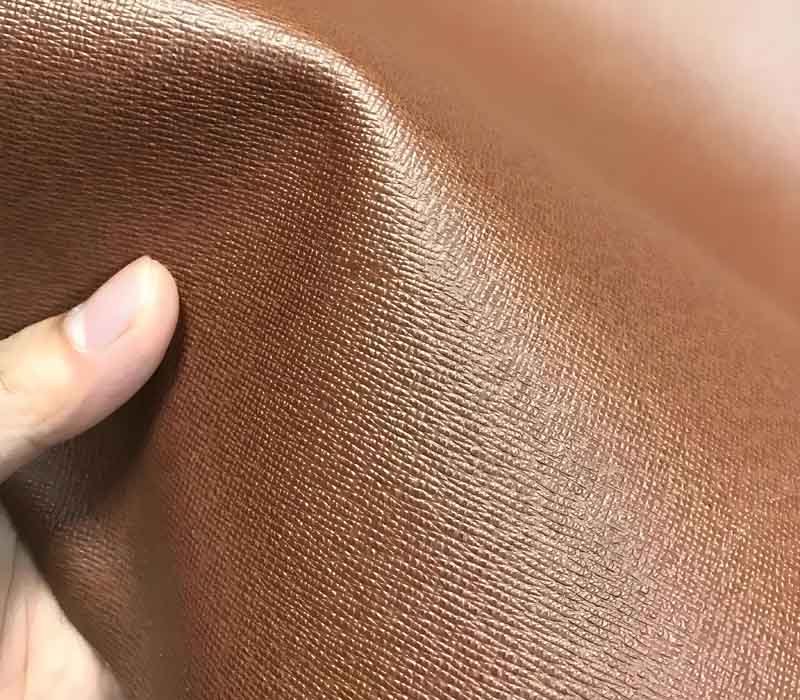
Few materials in fashion ignite debate like Saffiano leather—its iconic crosshatch pattern speaks of luxury brands and timeless style, yet questions often swirl around its authenticity and value. Is this supple-feeling texture truly “real” leather, or merely a clever synthetic imitation? How does its manufacturing process affect durability, cost, and environmental impact? In this comprehensive guide, we’ll explore Saffiano’s origins, decode its production steps, compare it to other leather types, weigh its pros and cons, and show you how to identify and care for genuine Saffiano pieces.
Saffiano leather is 100% genuine leather—typically top-grain cowhide—that has been meticulously split, coated, and embossed with a distinctive crosshatch pattern. A protective wax or acrylic layer seals the surface, making it water- and scratch-resistant. Originating from the Saffiano tannery in Italy, this process yields durable, low-maintenance hides favored by luxury brands. When properly cared for, true Saffiano leather retains its structure and sheen for years, combining aesthetic elegance with rugged functionality.
What Is Saffiano Leather?
Saffiano leather is a top- or full-grain cowhide split to an even thickness, coated with a wax or acrylic finish, then embossed under high pressure to create its signature diagonal, crosshatch texture. The coating adds water and scratch resistance, while the embossing process seals the leather’s pores, giving it uniformity and durability. Originating in 1913 at Milan’s Saffiano tannery, this technique produces a non-porous surface prized for low maintenance and refined aesthetics.
Saffiano leather stands apart in the world of hides: though it begins life as authentic cowhide, it undergoes a transformative sequence of steps that imbue it with exceptional performance characteristics.
Historical Origins
The Saffiano method traces back to 1913, when the Saffiano tannery in Milan sought to create a leather that would resist the wear and tear of daily use without sacrificing refinement. By combining fine Italian hides with innovative coating and embossing, they introduced a leather both elegant and utilitarian—qualities that luxury houses quickly adopted for handbags, wallets, and accessories.
Base Hide Selection
- Top-Grain Cowhide: Most Saffiano products use the uppermost layer of the hide, prized for its natural strength and smooth grain.
- Full-Grain Variants: In rare cases, full-grain hides—retaining uncorrected grain—are employed for even greater durability and patina potential.
Hides are thicker than average (1.0–1.2 mm), providing sufficient substance for subsequent treatments without tearing during embossing.
Coating Application
- Split & Skive: The hide’s flesh side is split to a uniform thickness, then skived at the edges for even layering.
- Primer Layer: A water-based primer seals the pores, creating a uniform base.
- Protective Wax/Acrylic Finish: Multiple thin coats of a specialized wax/acrylic blend are applied via roller or spray. This polymer layer:
- Fills microscopic grain variations.
- Increases water repellency (hydrophobicity).
- Provides a smooth, consistent surface for embossing.
Embossing Process
Heat-Press Embossing:
- The coated hide is placed between hardened steel rollers engraved with the signature diagonal crosshatch pattern.
- Under high heat (≈120–150 °C) and pressure (1–2 MPa), the pattern is pressed into the coating and leather fiber below.
Quality Control:
- Rollers are precision-machined to ensure consistent depth (~0.3 mm) and angle (45°).
- Automated sensors monitor temperature and pressure to prevent under- or over-embossing.
Final Treatments
- Surface Buffing: Gentle buffing smooths any raised edges and ensures uniform sheen.
- Topcoat Sealing: A final clear lacquer or UV-curable polymer layer adds scratch resistance and locks in color.
- Edge Finishing: Skived edges receive matching paints or wax burnishes for a seamless look.
These layered processes transform raw hide into Saffiano leather—an engineered material that, while still authentic leather at its core, exhibits properties akin to high-performance synthetics: uniformity, resilience, and water resistance.
How Is Saffiano Leather Made?
Saffiano leather is crafted through a multi-step process: hides are split and skived to uniform thickness, primed with a pore-sealing layer, coated with multiple thin applications of wax or acrylic, and then heat-embossed under high pressure with a crosshatch pattern. Finally, the surface is buffed and sealed with a clear topcoat. These precise steps—each monitored for temperature, pressure, and coating consistency—ensure the finished leather combines genuine hide strength with uniform texture, water resistance, and scratch protection.
The manufacturing of Saffiano leather marries traditional hide-processing techniques with modern engineering controls. Below, we examine each phase in depth, highlighting critical parameters and the rationale behind them.
Selection and Preparation of Base Hides
Hide Grade:
- Saffiano uses top-grain cowhide, chosen for its balanced strength, flexibility, and uniformity. In limited “luxury” runs, full-grain hides may be utilized, offering the highest natural strength and richer patina potential but requiring more careful processing.
Splitting and Skiving:
- Splitting: The backside (flesh) of the hide is split to achieve a uniform thickness, typically 1.0–1.2 mm. This optimal thickness ensures the leather can withstand the stresses of embossing without tearing or loss of structural integrity.
- Skiving: The edges are tapered via skiving machines to match thickness, preventing uneven coils or ridges once the hide is coated and embossed.
Primer and Base Coating
Pore Sealing Primer:
- A water-based primer fills microscopic pores in the grain, creating a smoother foundation. This step improves adhesion of subsequent coatings and ensures color uniformity.
Base Coats of Wax/Acrylic Blend:
- Formulation: Proprietary blends of microcrystalline waxes and acrylic polymers are carefully calibrated for flexibility, water repellency, and abrasion resistance.
- Application: Using industrial rollers or spray booths, hides receive multiple thin layers (often 3–5 coats), each flashed (partially dried) before the next application.
- Quality Metrics: Coating weight is measured (g/m²) to ensure consistency—typically around 10–15 g/m² per coat, totaling 40–60 g/m² for full coverage.
Heat Embossing with Crosshatch Pattern
Embossing Equipment:
- Hardened steel rollers, precisely engraved with a 45° diagonal crosshatch pattern, are mounted on temperature-controlled embossing presses.
- Roller Specifications: Engraving depth ~0.3 mm; groove width ~0.1 mm; pattern repeat every 2 mm—designed for optimal aesthetics and functionality.
Process Parameters:
- Temperature: 120–150 °C ensures the wax/acrylic layer softens just enough to accept the pattern without degrading the underlying leather.
- Pressure: 1–2 MPa (approximately 10–20 bar) evenly impresses the pattern across the surface, embedding the crosshatch into both coating and hide fiber.
- Speed: Controlled embossing speeds (0.5–1 m/min) balance productivity with detailed pattern transfer.
Outcome: The result is a uniform, non-porous textured surface that enhances scratch resistance and channels moisture away laterally.
Surface Finishing and Sealing
Buffing and Inspection:
- Post-embossing, hides pass through buffing drums or manual buffing stations, smoothing raised edges and removing any debris from embossing. Experienced technicians inspect for pattern uniformity, ensuring no unembossed “dead spots.”
Topcoat Application:
- A final clear lacquer or UV-curable polymer is applied to lock in the coating, offering additional scratch protection and sheen control (matte, semi-gloss, or high-gloss finishes).
- Curing: UV lamps or controlled ovens cure the polymer, creating a durable outer layer that bonds chemically to the wax/acrylic beneath.
Edge Treatment and Cutting
Die Cutting:
- Processed hides are cut into component panels—bag bodies, straps, pockets—using precision dies or CNC laser cutters.
Edge Skiving & Sealing:
- Edge skiving machines taper panel edges (especially folded seams) to allow neat assembly. Edge paint or wax burnishing seals the cut edges, preventing moisture ingress and enhancing aesthetics.
Quality Control and Grading
Visual Inspection:
- Teams examine hides for consistent pattern depth, color uniformity, absence of uncoated spots, and no heat marks.
Performance Testing:
- Samples undergo water spray tests (JIS Z 2801) to confirm water resistance, and Taber abrasion tests to measure scratch durability (target >1,000 cycles).
Mechanical Testing:
- Tensile and tear strength tests ensure hides meet minimum standards (>20 MPa tensile strength), preserving the leather’s inherent durability.
Environmental and Sustainability Considerations
Chemical Management:
- Water-based primers and advanced polymer formulations reduce volatile organic compounds (VOCs), aligning with strict environmental regulations.
Waste Minimization:
- Offcuts and trimmings are repurposed into smaller accessories—wallet linings, watch straps—to ensure minimal material waste.
Supplier Partnerships:
- Szoneier sources hides from tanneries adhering to Leather Working Group (LWG) standards, ensuring responsible water use and chemical management.
Is Saffiano Leather Genuine Leather?
Yes,Saffiano leather starts as genuine top-grain cowhide that undergoes specialized coating and embossing processes, but remains authentic leather at its core. The crosshatch pattern and protective finish sit atop split leather layers rather than synthetic substitutes. Though coated, its backing retains natural hide fibers, leather strength, and breathability. Unlike vinyl or PU “pleathers,” Saffiano uses real animal hide, making it durable, long-lasting, and able to develop a subtle patina over years of wear.
The question “Is Saffiano leather genuine?” often arises because its surface finish looks more like a high-grade synthetic than traditional uncoated hide. In reality, Saffiano is less a separate material and more a treatment—applied to real leather—to produce unique performance attributes.
What Is “Genuine Leather,” and How Does Saffiano Fit In?
Defining Genuine Leather:
- Genuine leather is a broad industry term indicating real animal hide rather than man-made substitutes. Within the classification hierarchy, it ranks below full-grain and top-grain but above bonded or reconstituted leather. Genuine leather typically refers to the lower layers of top-grain hide, yet still comprises authentic collagen fibers.
Saffiano’s Leather Category:
- While many manufacturers market Saffiano as top-grain or even full-grain leather, most use the thicker split of top-grain hides. These splits retain structural integrity, allowing embossing without cracking. After coating, the hide’s surface pores are sealed, but the inner fiber remains that of real leather.
Why Coating Doesn’t Make It Synthetic:
- The wax/acrylic layers applied to Saffiano are analogous to paint on a car—protective and decorative but not the substrate itself. Underneath the coating sits genuine leather, giving Saffiano the tensile strength, tear resistance, and breathability characteristic of hide.
Contrast with PU/Vinyl “Leather”:
- Polyurethane (PU) or PVC leather (“pleather”) bases a plastic film on a fabric backing—no collagen fibers present. These materials often lack the durability, aging potential, and repairability of real leather, peeling or cracking over time rather than developing a patina.
What Is the Difference Between Saffiano Leather and Genuine (Uncoated) Leather?
Surface Characteristics:
- Uncoated Genuine Leather exhibits natural grain, scars, and variable coloration—each hide unique. It breathes, absorbs oils and develops a rich patina.
- Saffiano Leather presents a uniform crosshatch pattern; the coating prevents direct contact with the grain, making it water- and scratch-resistant. This engineered uniformity sacrifices patina depth for consistency and low maintenance.
Maintenance and Durability:
- Uncoated hides require regular conditioning to prevent drying and stains; vulnerability to water and abrasion is higher.
- Saffiano’s sealed surface rejects moisture and resists light scratches—wipes clean easily and seldom needs reconditioning.
Aesthetic Trade-Offs:
- Natural grain leather appeals to enthusiasts who value organic variation.
- Saffiano appeals to those seeking a sleek, modern look with minimal upkeep and consistent color across production batches.
Saffiano vs Pebbled Leather
Both are real leathers enhanced for textured appeal, but their treatments differ:
| Aspect | Saffiano Leather | Pebbled Leather |
|---|---|---|
| Base Hide | Typically split top-grain cowhide | Top- or full-grain cowhide |
| Texture | Debossed crosshatch pattern | Natural or embossed pebble grain |
| Surface Treatment | Multiple wax/acrylic coatings + topcoat | Often aniline- or semi-aniline finished; no rigid coating |
| Water & Scratch Resistance | High (sealed pores and coatings) | Moderate; requires conditioners to improve resistance |
| Maintenance | Minimal—wipe clean | Regular conditioning to maintain suppleness |
| Patina Development | Limited—coating inhibits deep aging | Pronounced patina, deepens with use and oils |
Functional Comparison:
- Saffiano’s protective layer excels in high-wear environments—urban commuting, daily handbags, and frequently handled items.
- Pebbled leather offers more tactile softness and natural variation, preferred in luxury goods where patina and handfeel are prized.
Industry and Consumer Perspectives
Brand Adoption:
- Luxury maisons like Prada and Michael Kors favor Saffiano for its repeatable finish and resilience—critical when producing hundreds of thousands of SKUs in exact color matches.
Consumer Expectations:
- Buyers drawn to the term “genuine leather” often assume natural grain; education about Saffiano’s authenticity and treatment process helps set realistic care expectations.
Sustainability Considerations:
- Because Saffiano uses real hide with minimal waste (offcuts find secondary uses) and water-based coatings, it can offer a balanced eco-footprint compared to fully synthetic alternatives.
What Are the Benefits and Drawbacks of Saffiano Leather?
Saffiano leather offers exceptional durability, water and scratch resistance, and a uniform, fade-resistant finish that’s easy to clean and ideal for high-wear goods. Its signature crosshatch texture hides minor scuffs and ensures consistent color across production batches. However, the rigid coating limits patina development, can feel stiffer than natural grain, and may peel or crack if improperly flexed. Production costs—including embossing and coatings—also drive higher retail prices compared to uncoated leathers.
Benefits of Saffiano Leather
- Superior Durability:
- The multiple layers of wax/acrylic coatings and topcoat create a robust barrier against abrasion, making Saffiano ideal for daily-use accessories—tote bags, wallets, phone cases—that endure constant handling.
- Heat-embossed patterns add structural reinforcement, reducing the likelihood of surface scratches penetrating to the hide.
- Water and Stain Resistance:
- The sealed coating repels water, preventing spills from soaking in. Coffee, rain, or accidental drips bead on the surface and wipe away cleanly.
- Many manufacturers add additional stain-resistant topcoats, further safeguarding against dyes and oils.
- Consistent Appearance:
- Embossing under controlled temperature and pressure yields near-perfect uniformity across hides and production lots—critical for matching colors and textures in large-scale OEM/ODM runs.
- Unlike natural grain variations in uncoated leather, Saffiano maintains identical crosshatch density and hue, enhancing brand consistency.
- Low Maintenance:
- No regular conditioning required; occasional damp cloth wipes suffice.
- Coating layers resist oxidation and UV fading better than aniline or semi-aniline leathers, reducing color drift over time.
- Scratch-Hiding Texture:
- The crosshatch pattern camouflages minor marks, making wear less noticeable compared to smooth-grain hides where scratches stand out.
- Brand and Design Flexibility:
- Surface treatments (metallic foils, two-tone coatings) adhere well to the sealed surface, enabling vibrant finishes.
- Embossing and printing techniques—foilstamping, debossing—produce crisp logos and patterns without bleeding into grain.
Drawbacks of Saffiano Leather
- Limited Patina Development:
- Coated surfaces resist the natural darkening and surface sheen that characterize patina on uncoated full-grain leathers. Over time, Saffiano may age with minor surface cracks in the coating rather than graceful color changes.
- Stiffness and Handfeel:
- The polymer layers reduce the hide’s suppleness, giving Saffiano a firmer, sometimes plasticky feel—less tactile warmth compared to natural grain.
- Bags and accessories require break-in to soften slightly, but never achieve the drape of uncoated leather.
- Potential Coating Degradation:
- Repeated deep flexing at corners or folds can eventually crack the coating, exposing the bare leather beneath to moisture and staining.
- Low-quality coatings or improper embossing parameters exacerbate this risk.
- Chemical Sensitivities:
- Strong solvents, alcohol-based cleaners, or abrasive materials can damage wax/acrylic layers, causing dull spots or peeling. Maintenance demands adherence to manufacturer-approved cleaning products.
- Higher Production Costs:
- The multi-step coating, embossing, and curing processes increase manufacturing time and require specialized equipment.
- These added costs flow through the supply chain, positioning Saffiano products at premium price points.
Is Saffiano Leather Expensive?
While not as costly as exotic hides, Saffiano leather falls into the premium category:
| Material Type | Typical Cost per Square Foot (USD) |
|---|---|
| Genuine Split Leather | $3–$5 |
| Top-Grain Uncoated | $5–$8 |
| Saffiano Leather | $8–$12 |
| Full-Grain Leather | $10–$15 |
| Exotic (e.g., Eel) | $15–$30 |
Cost Drivers:
- Multi-layer coatings (wax/acrylic + topcoat) add raw material expenses.
- Precision embossing under heat and pressure requires investment in hardened roller tooling and maintenance.
- Quality control standards (thickness monitoring, abrasion and water-resistance testing) further increase overhead.
Value Proposition:
- For brands, Saffiano’s consistency and low-maintenance appeal justify higher price tags, especially in the luxury and accessible luxury segments.
- Consumers gain a durable, stylish product that resists daily wear far better than budget leather alternatives.
How Do You Identify Real Saffiano Leather?
Authentic Saffiano leather displays a uniform, crisp crosshatch pattern embossed to a consistent depth (~0.3 mm) across the surface, with no irregular or “flat” sections. The coating has a subtle semi-matte sheen and feels slightly textured, not plasticky. Edges reveal a leather core beneath the colored finish, not fabric backing. Genuine pieces bear precise, clean edge painting and matching interior linings. Brand markings—debossed or foilstamped logos and serial codes—must align with manufacturer specifications and be free of smudging or misalignment.
Examine the Crosshatch Pattern
- Uniformity: Authentic Saffiano features a precise 45° diagonal crosshatch, typically repeated every 1.5–2 mm. The pattern depth should be even, with no areas where lines appear faint or misaligned.
- Edge Continuity: Check embossing extends cleanly to seams, folds, and corners. In genuine leather, embossing will wrap around edges without cracking; in low-grade synthetics, pattern may lift or peel.
- Tools & Lighting: Use a magnifying glass or strong light at an angle to highlight pattern consistency. Real Saffiano’s metallic-like coating casts subtle highlights along each groove.
Assess the Surface Coating
- Sheen & Feel: Authentic Saffiano has a restrained semi-matte or low-gloss finish—enough sheen to repel water but subdued enough to resemble leather rather than plastic. Run your fingers across the surface; you should feel a slight texture from the embossing, not a slick, uniform plastic film.
- Flex Test: Gently bend a discreet area (e.g., inside flap). Genuine Saffiano’s coating will flex with minimal cracking. A brittle or cracking surface indicates a rigid, inorganic coating rather than leather-friendly polymer.
Inspect Edges and Backing
- Edge Paint: Look for smooth, evenly applied edge paint matching the leather color. Genuine pieces use several thin coats cured to the leather; sloppy, thick, or uneven paint suggests lower quality.
- Leather Core Visibility: On a skived edge (e.g., strap cut end), you should see the fibrous leather cross-section beneath the coating—a natural tan or slightly dyed interior—rather than synthetic fabric layers.
- Stitching Quality: High-end Saffiano goods feature tight, even stitches with no loose threads. Stitch tension should neither pull the coating apart nor leave puckered edges.
Evaluate Branding and Serial Codes
- Logo Embossing/Foilstamp: Genuine luxury Saffiano handbags bear crisp, centered logos—debossed into the coating or foilstamped without ink bleed. Letters and symbols should be sharp, with consistent depth.
- Serial Numbers/Date Codes: Brands like Prada and Michael Kors assign unique codes stamped on interior tags or linings. Verify code format against known authentic examples: font type, character spacing, and placement must match official brand standards.
Water and Abrasion Test (Non-Destructive)
- Water Drop Test: Place a small droplet of water on an inconspicuous spot. On genuine Saffiano, beads will form and sit on the surface for at least 30 seconds before absorption. Wipe with a dry cloth—no stain or residue should remain.
- Light Scratch Test: Gently rub a fingernail across a hidden ridge of embossing. Real Saffiano’s coating resists light scratches; minor marks should buff out with a soft cloth. In contrast, inferior coatings may flake or show permanent white scuffs.
Smell and Weight Indicators
- Leather Aroma: Genuine Saffiano hides emit a subtle, earthy leather scent—distinct from the plastic-like odor of PU leather or synthetics.
- Substance Weight: Saffiano leather pieces feel substantial due to multiple coating layers and the leather substrate. Ultra-light items that flex too easily may be synthetic or split-grain substitutes.
How Should You Care for Saffiano Leather Products?
Caring for Saffiano leather is straightforward: wipe surfaces with a damp, lint-free cloth to remove dust and spills, then dry immediately. Every 6–12 months, apply a thin coat of silicone-free leather conditioner sparingly—ideally designed for coated leathers—to nourish the hide beneath the finish. Avoid harsh solvents or alcohol cleaners that can degrade the wax/acrylic coating. Store items upright in dust bags away from direct sunlight and heat, unbuckled to relieve stress on embossing and maintain shape.
Though Saffiano leather boasts a durable, protective coating, proper care extends its lifespan, preserves its appearance, and protects the underlying hide. Below is a comprehensive regimen covering routine maintenance through deep cleaning and storage best practices.
Daily and Weekly Maintenance
- Dust and Surface Wipe-Down
- Use a soft microfiber or cotton cloth to gently brush away surface dust and dirt.
- For light spills or fingerprints, moisten the cloth with distilled water (tap water may leave mineral spots). Wipe in gentle, circular motions.
- Immediate Spill Response
- Blot any liquid—coffee, ink, makeup—with a dry cloth immediately; avoid rubbing, which can push moisture into seams.
- If residue remains, dampen a cloth with a 1:10 solution of mild, pH-neutral soap (e.g., baby shampoo) and water. Wipe gently, then wipe again with a water-only cloth to remove soap, and dry.
- Avoid Harsh Chemicals
- Never use acetone, alcohol, or household cleaners—these agents can dissolve or dull the acrylic topcoat, exposing raw leather.
Periodic Conditioning
While Saffiano’s coating reduces the need for frequent conditioning, the leather core benefits from occasional nourishment:
- Frequency: Every 6 to 12 months, depending on climate and use intensity.
- Product Selection: Choose a silicone-free, pH-balanced conditioner specifically formulated for coated or finished leathers.
- Application:
- Test on an inconspicuous area first to confirm compatibility.
- Apply a dime-sized amount to a soft cloth.
- Rub into the surface using circular motions, focusing on edges and high-stress areas.
- Allow to absorb for 10–15 minutes, then buff off excess with a clean cloth.
Deep Cleaning and Stain Removal
For stubborn stains or ingrained dirt:
- Specialized Leather Cleaners: Use a dedicated leather cleaner, following label instructions. Apply with a soft brush for textured areas (the crosshatch pattern).
- Steam Cleaning (Optional): Very lightly steam the embossed surface from a distance (30–40 cm) to loosen dirt, then wipe immediately. Avoid over-steaming, which can soften coatings.
- Drying: Always air-dry; never place near radiators or in direct sunlight, which can over-dry the leather or warp the coating.
Storage Best Practices
- Dust Bags and Boxes: Store Saffiano pieces in breathable dust bags or their original boxes. Avoid plastic covers, which trap moisture and promote mold.
- Upright, Unbuckled: Keep bags on flat shelves, unbuckled with straps loosely laid inside to prevent embossing stress.
- Climate Control: Ideal storage conditions are 40–60% humidity and 15–25 °C. Excess humidity can soften adhesives; extreme dryness can make coatings brittle.
- Shape Retention: Stuff larger items with acid-free tissue paper or fabric inserts to maintain shape and prevent creasing, especially important at corners and folds.
Handling Tips
- Rotation: Alternate between multiple bags to reduce wear concentration.
- Avoid Overloading: Heavy contents strain straps and seams; stay within recommended weight limits (often 70–80% of bag weight capacity).
- Protect from Sharp Objects: Keep pens capped, avoid placing bags on rough surfaces, and store jewelry separately to prevent accidental gouges.
Repair and Restoration
- Edge Repainting: Chips in edge paint can be touched up with matching edge-paint kits available from suppliers.
- Re-coating: For heavily worn surfaces, professional re-coating services can restore the protective layer and renew texture.
- Stitch Repair: Loose threads or seams can be re-stitched by a qualified leather technician to prevent further damage.
Why Partner with Szoneier for Your Saffiano Leather OEM/ODM Needs?
When selecting an OEM/ODM partner for Saffiano leather goods, your decision hinges on four pillars: material integrity, manufacturing precision, customization flexibility, and supply chain reliability. Here’s how Szoneier excels in each domain:
Material Integrity and Traceability
- Full Control over Hides: We source top-grain cowhide exclusively from LWG-certified tanneries, ensuring sustainable practices and consistent quality. Our vertical integration allows us to inspect and grade each hide, avoiding blemishes that could compromise embossing or final appearance.
- Advanced Coating Formulas: Our in-house R&D team formulates bespoke wax/acrylic blends tailored to your performance requirements—whether you need higher hydrophobicity for outdoor lines or specific topcoat sheens (matte, semi-gloss, gloss). We test each batch for coating weight (g/m²) and adhesion to guarantee uniformity and durability.
Manufacturing Precision and Quality Assurance
- State-of-the-Art Embossing: Our embossing presses utilize hydraulically controlled heat and pressure systems, maintaining ±2 °C and ±0.05 MPa tolerances, to reproduce your crosshatch pattern consistently across all runs. Precision-machined rollers ensure pattern depth (~0.3 mm) and angle accuracy critical for brand consistency.
- Rigorous QC Workflow: At four checkpoints—post-coating, post-embossing, post-cutting, and final assembly—trained inspectors use both automated optical scanners and manual scrutiny to detect surface irregularities, pattern defects, and seam integrity issues. Our defect rate consistently falls below 0.5% in serial production.
Customization Flexibility
- Low Minimum Order Quantities: We understand market testing and niche branding demand small initial runs. Our MOQ of 50 units empowers startups, boutique labels, and established brands alike to experiment with exclusive Saffiano styles without overcommitting capital.
- Design & Prototyping Support: Our design team works directly from your sketches, tech packs, or mood boards to create CAD patterns, digital leather simulations, and physical prototypes within 7–10 days. Rapid iteration cycles help refine embossing patterns, coating colors, hardware selections, and interior configurations.
- Hardware Integration: Choose from brass, stainless steel, or custom-plated fittings—zippers, D-rings, snaps, and rivets—sourced from vetted suppliers. We can match Pantone color codes for coatings and edge paints, ensuring every detail aligns with your brand palette.
Supply Chain Reliability and Lead Times
- End-to-End Production: From hide processing and coating to cutting, stitching, and packaging, all stages occur under one roof in our ISO- and BSCI-compliant facility. This vertical integration reduces lead times, logistics complexity, and quality variability.
- Transparent Timelines: Prototype to mass production timelines are clearly mapped: 7–10 days for sampling, 30–45 days for production, plus 7 days for quality audits and export documentation. Real-time progress updates through our client portal keep you informed at every step.
- Scalability: Whether you place repeat orders of 100 units or scale to 10,000+, our flexible production lines adapt to volume changes while maintaining consistent quality.
After-Sales Support and Continuous Improvement
- Warranty & Repair: We stand behind our craftsmanship with warranty programs and repair services—edge refinishing, recoating, hardware replacement—to extend your product’s lifespan and protect your brand’s reputation.
- Product Optimization: We analyze return data, customer feedback, and market trends to recommend design tweaks—adjusting coating formulations for new climates or refining embossing patterns for next-season styles.
Partner with Szoneier to Elevate Your Saffiano Leather Line
Leverage our expertise, infrastructure, and commitment to quality for your next OEM/ODM project. From concept to retail-ready goods, Szoneier delivers Saffiano leather products that embody luxury, durability, and brand distinction.
What Can I Do For You?
Here, developing your OEM/ODM private label leather goods collection is no longer a challenge,it’s an excellent opportunity to bring your creative vision to life.
Make A Sample First?
If you have your own tech packs, logo design artwork, or just an idea,please provide details about your project requirements, including preferred fabric, color, and customization options,we’re excited to assist you in bringing your leather goods designs to life through our sample production process.