
How Many Types of Leather Are There?
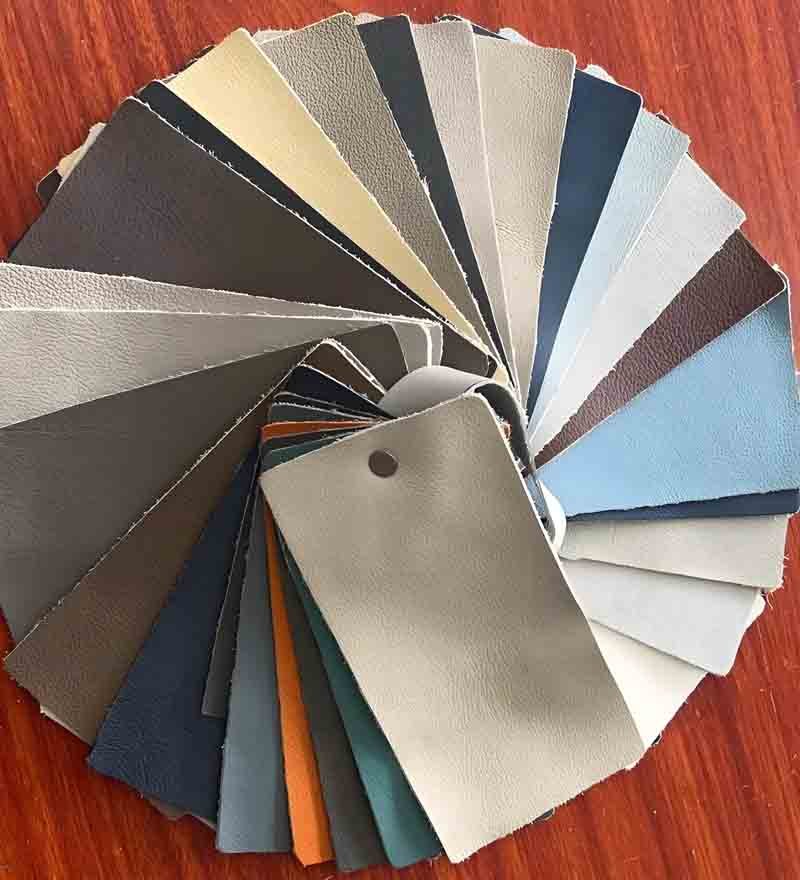
Leather isn’t just leather. Behind every supple wallet or sturdy tote lies a specific grade of hide that dictates its look, durability, and price. For brands,in particular those in fashion, accessories, and upholstery,understanding these leather types is critical to matching product performance with customer expectations.
There are five leather grades—full-grain, top-grain, corrected-grain, genuine, and bonded—organized into three quality tiers: premium (full- and top-grain), standard (corrected- and genuine), and budget (bonded). Each grade represents a balance of processing, durability, and cost, shaping everything from final price to lifespan.
Picture launching a new “luxury” line only to hear complaints about peeling or cracking within months. That misstep often traces back to using the wrong leather grade. Read on to master leather grading, dive into the pros and cons of each type, see which global brands use them, and learn how to choose the perfect grade for your next collection.
What Defines a Leather Grade?
At its core, leather grading hinges on which layer of the hide is used and how much its surface is altered:
- Grain Layer vs. Split Layer: Hides can be split horizontally. The grain layer (outermost) holds the original texture and fiber strength; the split layer (below) is softer but less resilient.
- Processing Level: Minimal treatment retains natural grain; heavy buffing or blending yields uniform, but weaker, sheets.
Leather grades are based on hide anatomy—grain vs. split—and surface processing, with higher grades maintaining natural grain for strength and nuanced patina, and lower grades relying on buffing or bonding for cost-effective uniformity.
The Three Overarching Quality Tiers
- Premium Tier
- Full-Grain: Uses the entire grain layer, scars and all. It’s the strongest, most breathable, and ages with a rich patina.
- Top-Grain: Also from the grain layer but lightly sanded to remove top blemishes. Offers nearly full-grain’s strength at a smoother, more uniform finish.
- Standard Tier
- Corrected-Grain: Buffed to remove deeper scars; stamped with an artificial grain pattern to simulate natural texture.
- Genuine Leather: Cut from the lower layer of the top hide—thinner and dyed for consistency. It’s real leather but closer to a budget grade.
- Budget Tier
- Bonded Leather: Made from leather scraps ground into fibers, mixed with polyurethane, and embossed. It’s the least durable and most economical option.
Which Leather Grades Exist?
Here’s the quick list of the five types, from best to most budget-friendly:
The five leather types are full-grain, top-grain, corrected-grain, genuine, and bonded—ranging from highest durability and natural beauty to lowest cost and uniformity.
| Grade | Source Layer | Processing | Typical Lifespan | Cost/sq ft | Best For |
|---|---|---|---|---|---|
| Full-Grain | Full outer hide | Minimal (tanning only) | 15–30 years | $6–$8 | Luxury bags, premium upholstery |
| Top-Grain | Outer hide, sanded | Light sanding, finishing coats | 10–20 years | $4–$6 | Mid-high handbags, footwear |
| Corrected-Grain | Outer hide, buffed | Heavy buffing, embossing, coating | 5–10 years | $3–$4 | Fashion accessories, belts |
| Genuine | Split beneath grain | Buffed, dyed | 3–5 years | $2.50–$3.50 | Entry-level wallets, straps |
| Bonded | Ground scraps | Mixed with binder, embossed | 1–3 years | $1–$2 | Promotional items, low-cost goods |
Why Layer and Process Matter
- Fiber Strength: Full-grain fibers remain intact; bonded fibers are broken and re-bonded, losing tensile strength.
- Appearance Consistency: Corrected and bonded leathers allow exact color matches—critical for large runs.
- Yield & Waste: Selling scarred hides as full-grain reduces waste but requires quality control; bonding scrapes uses every leftover bit.
What Is Full-Grain Leather and Why Is It the Highest Quality?
Full-grain leather is the gold standard—strong, breathable, and able to develop a magnificent patina over decades.
Full-grain leather uses the complete outer hide layer with all its natural markings, delivering unmatched durability, breathability, and a rich patina that deepens with use—making it the best leather grade available.
Full-Grain in Action
- Patina Development
- Unique color deepening over time, preferred by connoisseurs.
- Strength Metrics
- Tensile strength tests show 60–75 N/mm² vs. 45–55 for top-grain.
- Use Case: High-End Handbags
- Brands like Louis Vuitton’s Empreinte line use cowhide full-grain for embossing Monogram patterns.
- Sourcing Considerations
- Hide selection critical: only scars from insect bites or branding acceptable; deep scars rejected.
What Is Top-Grain Leather and How Does It Compare?
Top-grain balances performance and consistency by lightly sanding imperfections while keeping most of the grain.
Top-grain leather is the hide’s upper layer, sanded to remove blemishes, then finished for uniformity—offering 80–90% of full-grain strength at 70–80% of the cost.
Comparing Top- vs. Smooth/Peppled Grain
- Scratch Resistance: Sanded smooth; less hiding power than pebbled textures.
- Maintenance: Quarterly conditioning keeps finishes vibrant.
- Brand Spotlight: Michael Kors predominantly uses pebbled top-grain for its balance of durability and refined look.
- Finish Flexibility: Accepts pigments and coatings uniformly—ideal for trend-driven color lines.
What Are Corrected-Grain, Genuine, and Bonded Leather?
Lower grades suit budget ranges but cut lifespans and brand perception.
Corrected-grain is heavily buffed and embossed to mask flaws; genuine uses lower hide layers; bonded blends scraps in polyurethane—durability and lifespan decrease with each drop in grade.
What Is Poor Quality Leather?
- Corrected-Grain
- 5–7 coats of finish mask surface; lifespan 5–7 years; cost $3–$4/sq ft.
- Genuine
- Thin top layer; lifespan 3–5 years; cost $2.50–$3.50/sq ft.
- Bonded
- 10–20% actual leather; lifespan 1–3 years; cost $1–$2/sq ft; prone to peeling.
How Do Leather Types Differ in Durability and Price?
Grade choice must align with product use, price point, and brand promise.
Use full- and top-grain for luxury handbags, wallets, belts, and upholstery; corrected and genuine for mid-range leather accessories; bonded for budget items or promotional goods.
| Grade | Lifespan | Cost/sq ft | Abrasion (Martindale) |
|---|---|---|---|
| Full-Grain | 15–30 years | $6–$8 | 60,000+ cycles |
| Top-Grain | 10–20 years | $4–$6 | 50,000 cycles |
| Corrected-Grain | 5–10 years | $3–$4 | 30,000 cycles |
| Genuine | 3–5 years | $2.50–$3.50 | 20,000 cycles |
| Bonded | 1–3 years | $1–$2 | 10,000 cycles |
Which Leather Types Are Best Suited for Different Products?
Match grade to use-case to optimize cost and performance.
Use full- and top-grain for premium bags, wallets, and upholstery; corrected and genuine for mid-range accessories; bonded for promotional or disposable items.
| Product | Recommended Grade | Why |
|---|---|---|
| Luxury Bags | Full-Grain | Maximum durability & patina potential |
| Mid-Range Wallets | Top-Grain | Consistent finish, strong wear resistance |
| Fashion Belts | Corrected-Grain | Uniform color, lower cost |
| Promotional Gifts | Bonded | Budget-friendly, short-term use |
| Upholstery | Full-Grain | Heavy wear areas, long lifecycle |
Exotic Lines
- Coach: Primarily top-grain; limited crocodile lines use genuine crocodile skins.
- Louis Vuitton: Uses full-grain cowhide for Epi and Taurillon ranges.
- Michael Kors: High-volume pebbled top-grain for durability and texture.
How to Choose the Right Leather Type for Your Brand?
Select a grade that supports your product’s price, function, and customer expectations.
Align leather grade with your market position: premium collections demand full- or top-grain; mid-tier lines can leverage corrected or genuine; high-volume, budget items fit bonded leather.
Decision Checklist
- Target Market: Luxury vs. mass market—expectations for durability and aging.
- Product Function: Daily wear vs. occasional—durability requirements.
- Price Positioning: Desired retail price vs. raw-material cost.
- Production Capability: In-house tooling for heavy hides, finishing expertise.
- Sustainability Requirements: Chrome-free or vegetable tanning, eco-certifications.
Why Partner with Szoneier Leather for Your Custom Leather Needs?
With over 18 years of end-to-end capabilities—from raw-material R&D and hide selection to prototyping, low MOQs (10 units), and rigorous QC (ISO 9001, BSCI)—Szoneier Leather is the OEM/ODM partner you need.
| Service | Szoneier Capability |
|---|---|
| Raw-Material R&D | In-house tanning labs fine-tune hide selection and tanning recipes |
| Design & Sampling | CAD-to-sample in 7–10 days with rapid iterations |
| Production & QC | AQL 2.5 sampling, tensile and abrasion testing |
| Custom Finishing | Embossing, topcoats, pigmented or aniline finishes |
| Packaging & Logistics | Tailored packaging, IATA/IMDG compliance, DDP options |
Ready to elevate your product line with the perfect leather grade? Contact Szoneier Leather today for a free consultation on your custom leather goods—we’ll help you choose the right grade, design prototypes, and deliver finished products that exceed expectations.
What Can I Do For You?
Here, developing your OEM/ODM private label leather goods collection is no longer a challenge,it’s an excellent opportunity to bring your creative vision to life.
Make A Sample First?
If you have your own tech packs, logo design artwork, or just an idea,please provide details about your project requirements, including preferred fabric, color, and customization options,we’re excited to assist you in bringing your leather goods designs to life through our sample production process.