 Skip to content
How Durable Is Synthetic Leather: Lifespan, Tests & Care
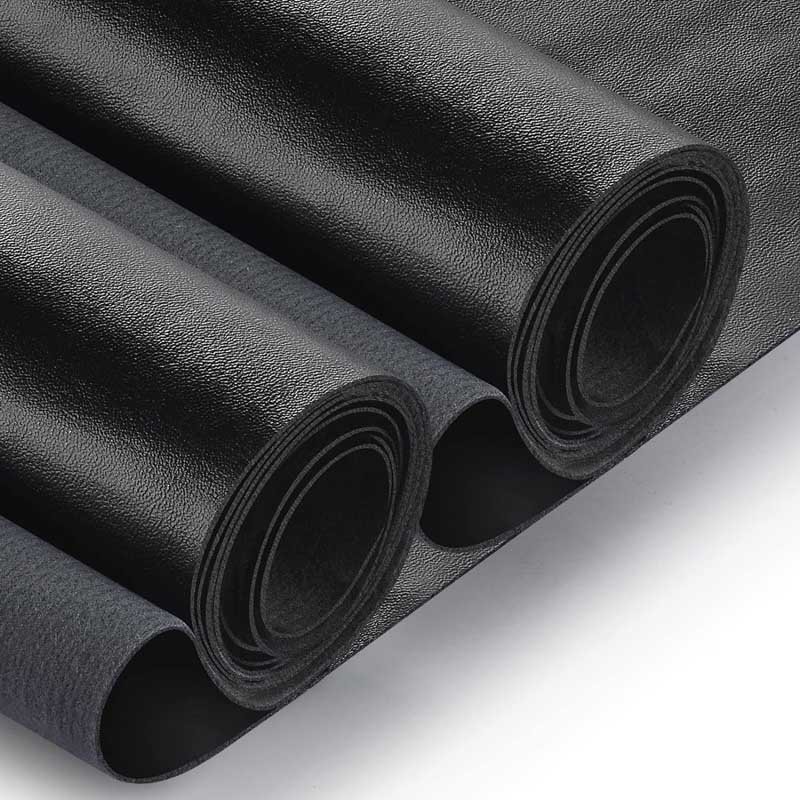
Synthetic leather has become one of the most versatile materials in modern manufacturing — used in everything from fashion handbags to car interiors. It’s marketed as affordable, stylish, and “animal-free.” But one question continues to surface among both consumers and brands: how durable is synthetic leather really? Can it match the resilience of natural hide, or does it eventually peel, crack, or tear?
High-quality synthetic leather can last between 2 and 10 years depending on its composition (PU, PVC, or microfiber), usage conditions, and care. While not as durable as genuine full-grain leather, modern synthetic leathers with multi-layer coatings and fabric reinforcement provide good wear resistance for everyday applications. Durability varies widely — the difference often lies in manufacturing quality, coating density, and environmental exposure.
In this article, we’ll explore how synthetic leather is made, how it compares to real leather, what affects its lifespan, and how brands can ensure their products meet durability expectations. Whether you’re a buyer choosing between PU and PVC, or a designer planning your next collection, this guide will help you make informed, professional decisions.
What Exactly Is Synthetic Leather and How Is It Made?
Synthetic leather — also known as PU leather, faux leather, or vegan leather — is a man-made material designed to imitate the look, feel, and structure of real animal hide. It’s produced by coating a textile base (like polyester, cotton, or microfiber) with a polymer layer such as polyurethane (PU) or polyvinyl chloride (PVC). Through embossing, coloring, and finishing, it gains leather-like grain patterns, gloss, and softness — at a fraction of the cost of genuine leather.
Understanding the Concept: A Material Born from Innovation
Synthetic leather was developed to meet the growing demand for affordable, cruelty-free, and scalable alternatives to genuine leather. Its creation dates back to the early 20th century, but modern innovations — particularly in polyurethane chemistry and microfiber engineering — have transformed it into a highly sophisticated material used by luxury brands, automotive manufacturers, and furniture designers alike.
Unlike real leather, which relies on natural collagen fibers, synthetic leather is built layer by layer through chemical and mechanical processes that replicate the flexibility, grain texture, and surface gloss of animal skin. The result: a versatile material that can be mass-produced with consistent quality and minimal waste.
The Basic Structure of Synthetic Leather
Most synthetic leathers share a three-layer composite design, combining textile and polymer technologies:
| Layer | Component | Function |
|---|---|---|
| 1. Base Layer | Fabric backing (polyester, cotton, microfiber) | Provides strength, stretch, and tear resistance |
| 2. Polymer Layer | PU or PVC resin coating | Creates body, flexibility, and waterproofing |
| 3. Surface Finish | Embossing, dyeing, UV coating | Adds grain texture, color, and protective gloss |
Each layer serves a distinct purpose. The fabric base determines the belt or bag’s structural durability, the polymer coating defines softness and resilience, and the surface treatment influences both aesthetic and wear resistance.
PU vs PVC vs Microfiber Leather: Key Differences
| Type | Base Material | Key Traits | Typical Applications |
|---|---|---|---|
| PU (Polyurethane) Leather | Woven/non-woven fabric + PU coating | Soft, flexible, breathable, eco-safer | Fashion bags, shoes, upholstery |
| PVC (Polyvinyl Chloride) Leather | Fabric + PVC resin | More rigid, water-resistant, low cost | Furniture, car interiors, belts |
| Microfiber Leather | Non-woven microfiber + PU coating | Closest to genuine leather in texture and strength | Premium goods, luxury shoes, auto interiors |
- PU Leather mimics the smoothness and elasticity of genuine leather. It’s breathable, lightweight, and ideal for products that require softness and flexibility, such as handbags and jackets.
- PVC Leather is denser and harder, offering excellent abrasion and water resistance. It’s more suitable for industrial or heavy-use items like furniture upholstery and car seats.
- Microfiber Leather represents the next generation of synthetic material, featuring ultra-fine fibers (0.001 denier) woven in a 3D matrix. This structure mirrors natural collagen fibers, giving it exceptional tensile strength, tear resistance, and luxurious texture — often used as a replacement for top-grain leather in premium goods.
The Manufacturing Process: From Fabric to “Leather”
The creation of synthetic leather involves five key production stages — each influencing its durability, flexibility, and overall feel.
1. Base Fabric Preparation
The process begins with selecting the textile substrate. Manufacturers use tightly woven polyester or microfiber non-wovens, as they provide a stable base with excellent bonding strength. The backing fabric is heat-set and sometimes pre-coated to improve adhesion.
2. Polymer Coating (PU or PVC Application)
This is the core step where the material gains its “leather body.”
- In PU leather, liquid polyurethane is coated onto the base fabric using either the wet process (coagulated in a water bath for a soft, porous structure) or the dry process (laminated directly for smooth, firm texture).
- In PVC leather, the resin is applied with plasticizers and stabilizers, then cured through calendering (rolling) to achieve the desired thickness.
The choice between PU and PVC depends on target product usage — PU for fashion, PVC for durability.
3. Embossing & Texturing
The coated sheets are passed through engraved steel rollers that imprint a leather-like grain pattern. Advanced embossing technology can replicate specific leather types — from cowhide to crocodile or napa textures. This step gives synthetic leather its characteristic visual appeal.
4. Coloring & Surface Finishing
Pigments, dyes, and coatings are added to achieve uniform color and surface feel. Finishing can be matte, glossy, semi-gloss, or metallic, depending on the brand’s aesthetic goals. A protective topcoat (usually polyurethane-based) is applied to enhance scratch resistance, UV stability, and color fastness.
5. Quality Curing and Final Lamination
Finally, the material is heat-cured to stabilize layers, then trimmed, rolled, and inspected. High-end synthetic leathers undergo double curing — ensuring dimensional stability and eliminating surface bubbles or wrinkles.
How Modern Technology Improves Durability and Feel
Today’s synthetic leathers benefit from advanced chemical and mechanical engineering innovations, including:
- Water-Based PU Systems: Reduce VOC emissions and increase hydrolysis resistance.
- Cross-Linking Agents: Strengthen polymer bonds for better tear and flex performance.
- Nano-Texturing: Enhances tactile feel and scratch resistance.
- Reinforced Microfiber Backing: Improves tensile strength up to 80 N/cm (comparable to natural leather).
- Smart Coatings: Add features like anti-peel, anti-microbial, and self-healing surfaces.
These innovations are why modern microfiber leathers now perform on par with mid-tier natural leathers — achieving up to 50,000 abrasion cycles and 10+ years of usable life in controlled conditions.
Synthetic Leather vs Real Leather
| Feature | Synthetic Leather (PU/Microfiber) | Genuine Leather (Full-Grain) |
|---|---|---|
| Base Structure | Fabric + polymer coating | Natural collagen fiber |
| Durability (years) | 3–10 | 15–30+ |
| Flexibility | Adjustable (via coating) | Naturally flexible |
| Water Resistance | Excellent | Moderate |
| Maintenance | Easy | Requires conditioning |
| Cost | Low to medium | High |
| Sustainability | Mixed (bio-PU options emerging) | Natural but animal-based |
How Does Synthetic Leather Compare to Real Leather in Durability?
Synthetic leather offers good short- to mid-term durability — lasting 3 to 10 years depending on quality — but it doesn’t match the natural longevity of genuine leather, which can endure 20 to 30 years or more. Real leather develops a patina and becomes softer over time, while synthetic leather tends to crack or peel after repeated flexing. However, microfiber and high-grade PU leathers now provide durability close to top-grain leather at a lower cost and lighter weight.
Durability Lifespan Comparison
| Material Type | Typical Lifespan (Under Normal Use) | Aging Behavior |
|---|---|---|
| Full-Grain Leather | 20–30 years or more | Develops patina, softens with age |
| Top-Grain Leather | 15–25 years | Slightly thinner, still long-lasting |
| Genuine Leather (split) | 10–15 years | May dry faster, less flexible |
| Microfiber Synthetic Leather | 7–10 years | High tear and flex resistance |
| PU Leather | 3–5 years | May peel or fade with time |
| PVC Leather | 5–8 years | Durable but can stiffen and crack |
Observation: High-grade microfiber synthetic leather is the only variant approaching natural leather’s durability, thanks to its internal microstructure that imitates collagen fiber networks. Ordinary PU or PVC versions generally last only a fraction of that lifespan.
Resistance to Common Types of Wear
Durability can be measured in several key performance areas: abrasion, flexing, tearing, peeling, and UV stability. Below is a technical comparison across these parameters.
| Property | Full-Grain Leather | PU Leather | PVC Leather | Microfiber Leather |
|---|---|---|---|---|
| Abrasion Resistance (Martindale test) | 100,000+ cycles | 30,000–50,000 cycles | 60,000+ cycles | 80,000–100,000 cycles |
| Flex Endurance (Flexometer test) | 50,000+ bends | 10,000–20,000 | 20,000–30,000 | 40,000–50,000 |
| Tear Strength | 90–120 N/cm | 50–70 N/cm | 60–80 N/cm | 80–100 N/cm |
| UV Resistance | High (natural oils protect) | Medium | High | High |
| Peeling/Delamination | Rare | Common over time | Moderate | Rare (due to microfiber reinforcement) |
Real-World Aging: Peeling vs Patina
Genuine leather ages beautifully. With use, its fibers absorb oils from your hands and air, deepening in color and gaining a distinctive sheen known as patina. Scratches and bends become part of its charm — every mark tells a story.
Synthetic leather, however, doesn’t age — it deteriorates. The polyurethane layer eventually loses elasticity, causing the surface to peel or flake. Once this happens, it can’t be repaired or refinished because the damage occurs at the molecular level of the coating.
Even with modern UV-protective additives, synthetic leather is more vulnerable to hydrolysis (breakdown from moisture and temperature changes). In tropical or humid climates, this process accelerates dramatically.
Flexibility and Recovery: Natural vs Engineered Elasticity
The elastic recovery rate — how well material returns to shape after bending — differs significantly:
- Full-grain leather: Recovers naturally, thanks to collagen’s spring-like fiber network.
- PU leather: Initially flexible but stiffens after heat exposure or long-term use.
- Microfiber leather: Shows strong elasticity due to 3D microfiber bonding and PU resin reinforcement.
This difference explains why genuine leather belts and straps retain their form even after years of bending, while synthetic ones often crease, wrinkle, or stretch unevenly.
Environmental Resistance
Environmental exposure plays a decisive role in durability — particularly UV light, humidity, and temperature extremes.
| Condition | Effect on Real Leather | Effect on Synthetic Leather |
|---|---|---|
| UV Sunlight | Darkens tone; mild drying | Causes yellowing or cracking |
| Humidity | May mold if unconditioned | Hydrolysis; coating softens |
| Heat | Dries surface oils; manageable | Causes delamination, peeling |
| Cold Weather | Becomes firm, then softens | Can harden and split |
Repairability and Maintenance
Durability isn’t just about resistance — it’s about recoverability.
- Real Leather: Can be reconditioned, recolored, or re-oiled. Cracks can often be polished out.
- Synthetic Leather: Cannot be repaired once peeling or cracking occurs. Coatings can’t be reattached to the backing fabric.
Weight and Structural Stability
Synthetic leathers are lighter — roughly 30–40% less dense than genuine leather — making them suitable for mass-market fashion goods and vegan products. However, that lightness also translates to lower tensile strength and less dimensional stability.
In contrast, genuine leather’s natural density gives it structural integrity, helping products like belts and bags maintain shape and durability even under load.
Chemical Stability and Hydrolysis Resistance
Hydrolysis (reaction with moisture over time) is one of the most critical issues affecting PU leather.
- PU’s ester bonds break down in humid environments, causing surface softening and peeling.
- PVC leather resists hydrolysis but may emit chlorine compounds during aging, creating environmental and odor issues.
- Modern microfiber PU uses polyether-based polymers, which have far better hydrolysis resistance — tested to last 8–10 years in controlled conditions.
This makes microfiber leather the preferred option for premium OEM applications that demand both vegan marketing and real-world durability.
Which Factors Affect the Durability of Synthetic Leather?
The durability of synthetic leather depends on material composition, coating quality, backing fabric strength, edge finishing, and environmental exposure. Premium microfiber or multi-layer PU leathers can last 7–10 years, while low-grade PVC or single-coated PU often peel or crack within 2–3 years. Factors such as UV light, humidity, heat, and coating thickness have a direct impact on surface stability and peeling resistance — making material engineering critical to product longevity.
1. Material Composition
The formula of the synthetic leather itself determines how well it resists tearing, cracking, or peeling over time.
Polymer Type (PU vs. PVC vs. Microfiber)
| Material | Composition | Durability Rating | Flexibility / Feel | Typical Lifespan |
|---|---|---|---|---|
| PU (Polyurethane) | Polyurethane + fabric | ★★★☆☆ | Soft, elastic | 3–5 years |
| PVC (Polyvinyl Chloride) | PVC + plasticizer | ★★★★☆ | Firm, slightly rigid | 5–8 years |
| Microfiber PU | Nonwoven microfiber + crosslinked PU | ★★★★★ | Closest to genuine leather | 7–10 years |
Explanation:
- PU leather tends to age faster because polyurethane’s ester bonds degrade with heat and moisture, leading to hydrolysis.
- PVC leather is more water-resistant but can harden over time due to plasticizer migration.
- Microfiber leather, made with ultra-fine synthetic fibers embedded in PU, mimics collagen fibers in animal hide — offering superior tear and flex strength.
Szoneier Tip: For belts, straps, and high-stress products, microfiber leather with ≥0.9 mm thickness and ≥80 N/cm tensile strength ensures the best performance.
2. Coating Thickness and Layer Density
Durability is directly proportional to the number and thickness of polymer coating layers. Each layer plays a unique role:
| Layer | Function | Thickness (typical) | Effect on Durability |
|---|---|---|---|
| Base Coat | Adhesion to fabric | 0.2–0.4 mm | Prevents delamination |
| Middle Coat | Body and flexibility | 0.3–0.6 mm | Improves tear & flex resistance |
| Top Coat | Surface protection & finish | 0.1–0.2 mm | Adds scratch, UV & hydrolysis resistance |
The Balance Principle:
Too thin → easy to peel or puncture. Too thick → stiff and prone to cracking.
An optimal total thickness of 0.8–1.2 mm offers the best performance for fashion applications, while 1.4–1.8 mm is ideal for automotive or upholstery uses.
Manufacturing Insight:
High-end manufacturers like Szoneier Leather use multi-layer wet coating with controlled curing, which allows precise pore formation and strong adhesion between layers. In contrast, cheaper laminated synthetics often delaminate because their layers are heat-bonded rather than chemically fused.
3. Backing Fabric Strength
The backing fabric determines how much tensile stress the synthetic leather can withstand before tearing.
Types of Backing Fabrics:
| Fabric Type | Composition | Tensile Strength (N/cm) | Durability Level |
|---|---|---|---|
| Woven Polyester | 100% polyester | 50–70 | Moderate |
| Cotton Twill | Natural fibers | 40–60 | Low (shrinks with moisture) |
| Nonwoven Microfiber | Ultra-fine fibers | 80–100 | High |
| Blended Nylon / Poly Base | Hybrid synthetic | 70–90 | Medium-high |
Why It Matters:
- The bonding adhesion between the polymer and fabric is the most common failure point in synthetic leather.
- A nonwoven microfiber base provides uniform adhesion and flexibility, resisting both tearing and peeling under repeated stress.
4. Edge Sealing and Stitching Techniques
Edges are where synthetic leather starts to fail first — especially in bags, belts, or straps that experience friction and movement.
Edge Problems:
- Unsealed edges absorb moisture, leading to delamination.
- Poor stitching tension can cause micro-tears.
- Raw-cut PU edges can flake after a few months of wear.
Preventive Solutions:
- Edge Painting: Using PU-based edge paint provides a flexible waterproof seal.
- Heat Sealing: Compressing edges under 180–200°C bonds the coating layers tightly.
- Reinforced Stitching: Double or saddle stitching distributes tension evenly.
Tip for Brands: Always specify “heat-sealed edges” and “reinforced stitch spacing (2.5–3 mm)” in your OEM production sheets to ensure long-term performance.
5. Surface Finishing & Additives
Durability is also defined by what’s added after coating — namely, finishes, coatings, and stabilizers that protect against environmental and mechanical damage.
| Additive Type | Purpose | Durability Effect |
|---|---|---|
| UV Stabilizers | Prevent sun-induced cracking | ↑ UV resistance by 40% |
| Anti-Hydrolysis Agents | Resist humidity degradation | ↑ lifespan by 2–3 years |
| Scratch-Resistant Coatings | Protect against abrasion | ↑ Martindale rating by 20–30k cycles |
| Flame Retardants | Improve safety for furniture/automotive | Neutral to durability |
| Nano Topcoats | Add smoothness and hydrophobicity | Reduce surface wear by 50% |
Modern Innovation: Nano-ceramic finishes and cross-linking polyurethanes form invisible barriers that prevent peeling — now standard in luxury PU leathers used by premium brands.
6. Environmental Factors
No matter how well synthetic leather is made, environmental stress dictates how long it truly lasts. Heat, humidity, sunlight, and even pollution attack polymer bonds over time.
| Environmental Factor | Impact on Durability | Preventive Measures |
|---|---|---|
| UV Light / Sun Exposure | Fading, drying, cracking | Use UV-protected coatings or limit exposure |
| High Humidity (>70%) | Hydrolysis, peeling | Store in dry, ventilated areas |
| Heat (>50°C) | Deformation, delamination | Avoid direct sun or hot car interiors |
| Sweat / Body Oils | Surface softening | Wipe regularly with mild cleaners |
| Cold (below 0°C) | Stiffening, brittleness | Use cold-resistant PU resin |
Example: A PU bag stored in a humid room for one year may lose up to 15–20% of its tensile strength, while the same item kept at 25°C and 50% RH retains nearly full integrity.
7. Mechanical Stress
Synthetic leather durability is often misunderstood because usage style varies drastically.
Stress Sources:
- Repetitive bending (in belts, straps, seats)
- Abrasion (from clothing friction)
- Compression and stretching (at seams or edges)
Test Benchmarks:
- Flexometer Test (ISO 5402): 20,000–50,000 bends for quality grades.
- Martindale Abrasion: 30,000–100,000 rub cycles.
- Peel Strength Test: ≥3.5 N/cm considered strong.
Szoneier Leather performs flex testing on every new formula before bulk production. Premium microfiber PU shows less than 5% crack depth after 50,000 flex cycles — outperforming standard PU by 2.5×.
What Are the Main Disadvantages of Synthetic Leather?
- Limited Breathability: Unlike real leather, synthetic coatings block airflow.
- Peeling Over Time: PU resin layers may separate with age or heat exposure.
- Non-repairable: Once cracked or peeled, synthetic leather cannot be restored.
- Environmental Impact: PVC leathers release chlorine during production/disposal.
- Shorter Aging Value: Synthetic leather doesn’t develop patina; it degrades.
However, modern microfiber and bio-based PU are closing these gaps with sustainable chemistry and improved endurance.
Where Is Synthetic Leather Suitable?
Synthetic leather is ideal for fashion bags, car seats, furniture, and accessories where design and cost matter more than multi-decade longevity. However, it’s less suitable for heavy-duty belts, outdoor gear, or luxury goods expected to last generations.
Best Applications
| Product Type | Recommended Synthetic Leather | Durability Rating |
|---|---|---|
| Handbags / Wallets | PU or microfiber | ★★★★☆ |
| Belts / Straps | Microfiber or reinforced PU | ★★★★☆ |
| Shoes / Boots | Microfiber leather | ★★★★★ |
| Car Upholstery | PVC or bio-PU | ★★★★★ |
| Sofa / Furniture | PVC | ★★★★☆ |
Where to Avoid Synthetic Leather
Avoid for outdoor tactical gear, heavy-duty belts, or artisan luxury goods. Constant bending and exposure degrade polymer layers. For long-term heirloom pieces, full-grain leather remains unmatched.
How Can You Test and Extend the Life of Synthetic Leather Products?
The key to longevity is proper material testing and maintenance. By performing abrasion, flex, and adhesion tests during production — and following consistent cleaning and storage habits — synthetic leather can maintain appearance and performance for years.
What Tests Measure Synthetic Leather Durability?
| Test | Purpose | Industry Standard |
|---|---|---|
| Martindale Abrasion | Measures surface wear | >30,000 cycles for fashion |
| Flexometer | Simulates folding fatigue | >20,000 bends |
| Peel Strength | Tests coating adhesion | >3.5 N/cm |
| UV Exposure Test | Tests colorfastness | ΔE < 2 after 72 hours |
Szoneier Leather’s in-house R&D lab conducts all these tests to guarantee performance before mass production.
How to Maintain Synthetic Leather
- Clean with Mild Soap and Water: Avoid alcohol-based cleaners.
- Condition Monthly: Use silicone-free conditioners for PU.
- Avoid Prolonged Sunlight: Store away from direct heat or UV exposure.
- Keep Dry: Moisture can weaken adhesive layers.
Proper maintenance can extend lifespan by up to 50%, particularly for fashion goods and car interiors.
Do Finishes or Coatings Improve Durability?
Yes — UV inhibitors, anti-peel coatings, and nano topcoats significantly enhance resilience. Microfiber leathers with dual coating layers resist cracking for over 50,000 flex cycles in testing.
Conclusion
Synthetic leather has evolved far beyond its early reputation as “cheap faux leather.” Today’s PU and microfiber innovations make it durable, versatile, and accessible — ideal for modern brands balancing ethics, design, and function.
Still, durability depends on integrity at every step — from polymer quality to coating thickness, edge finishing, and storage conditions.
Whether you’re launching a premium vegan leather handbag line or designing reinforced PU belts, we’ll help you achieve real-world durability that exceeds customer expectations.
Because in modern design, the best materials don’t just look good — they last.
What Can I Do For You?
Here, developing your OEM/ODM private label leather goods collection is no longer a challenge,it’s an excellent opportunity to bring your creative vision to life.
Make A Sample First?
If you have your own tech packs, logo design artwork, or just an idea,please provide details about your project requirements, including preferred fabric, color, and customization options,we’re excited to assist you in bringing your leather goods designs to life through our sample production process.